
Every construction project starts with the same basic question: what needs to come off this lot before work can begin? For contractors and developers, the answer usually involves some combination of land clearing and grubbing, two processes that are often lumped together but actually serve different purposes. Understanding the land clearing vs grubbing difference helps project teams plan the right scope, budget accurately, and avoid delays once heavy equipment hits the site.
This guide breaks down what separates the two processes, when each one is needed, and how to build a site prep plan that keeps a project on schedule from the first day of excavation.
What Is Land Clearing?
Land clearing is the broad process of removing trees, brush, stumps, rocks, and other surface vegetation from a site so it can be developed. It is typically the first major step in a construction land prep guide, setting the stage for everything that follows, including grading, excavation, and utility work.
Land clearing can involve:
- Removing trees of varying sizes, from saplings to mature specimens.
- Clearing brush, shrubs, and undergrowth.
- Removing surface debris such as fallen limbs and rocks.
- Relocating trees that are healthy enough to preserve elsewhere on the property.
What Is Grubbing?
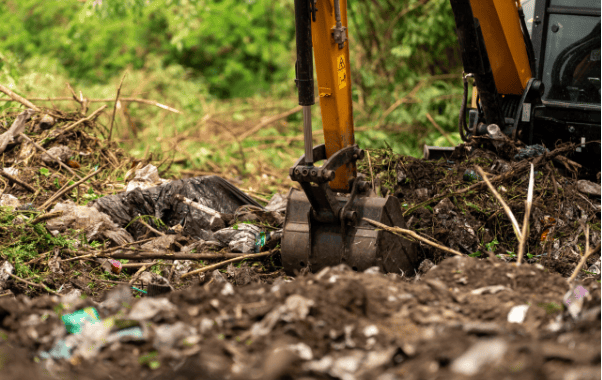
Grubbing is a more targeted process that removes the root systems, stumps, and below-ground plant material left behind after land clearing. While clearing deals with what is visible above ground, grubbing addresses what remains underneath.
Grubbing typically includes:
- Removing stumps and major root systems.
- Clearing buried roots that could interfere with grading or foundation work.
- Excavating and disposing of remaining organic material that could decompose and cause settling.
Grubbing is essential wherever construction will disturb the soil, since leftover roots and stumps can cause uneven settling, drainage issues, or damage to foundations and pavement over time.
Land Clearing vs Grubbing Difference: A Side-by-Side Look
Factor | Land Clearing | Grubbing |
Focus | Above-ground vegetation and trees | Below-ground roots, stumps, and organic matter |
Typical Equipment | Chainsaws, tree spades, mulchers, dozers | Excavators, root rakes, stump grinders |
When It's Needed | Before any site work begins | After clearing, before grading or foundation work |
Impact on Soil | Minimal disturbance to subsurface soil | Directly disturbs and prepares subsurface soil |
Common Use Case | Preparing a lot for design and layout | Preparing the soil for grading, footings, and utilities |
Site Prep Methods: How Clearing and Grubbing Fit Into the Bigger Picture
A complete site prep plan usually moves through a sequence of steps, with clearing and grubbing forming the foundation for everything that follows.
1. Site Survey and Tree Evaluation
Before any equipment arrives, a survey identifies which trees should be cleared, which should be relocated, and which fall outside the construction footprint entirely. This step often determines how much of the site needs full clearing versus selective clearing.
2. Land Clearing
Crews remove trees, brush, and surface debris from the areas marked for development. On sites with mature or valuable trees, professional tree relocation services from Colorado Tree Spade allow contractors to preserve trees elsewhere on the property instead of losing them during this phase.
3. Grubbing
Once the surface is clear, grubbing removes stumps and root systems so the soil underneath is ready for grading. This step is especially important on sites where structures, driveways, or utilities will sit close to where trees once stood.
4. Grading and Excavation Basics
With the site cleared and grubbed, grading shapes the land for proper drainage and prepares it for foundations, roads, or utilities. Excavation basics at this stage include cutting and filling soil to reach the design elevation and verifying that no leftover roots or debris will interfere with compaction.
5. Final Site Prep
Soil testing, compaction, and utility marking round out the process before construction begins in earnest.
Vegetation Removal: Choosing the Right Approach
Not every tree or shrub on a lot needs to be removed the same way, and the right vegetation removal approach depends on the site's goals. Contractors and developers generally choose between:
Full Clearing — Removing all vegetation across the site, typically used on lots where the entire footprint will be developed.
Selective Clearing — Removing only the trees and brush within the construction zone, while preserving mature trees elsewhere on the property. This approach is common on residential developments and commercial sites where established landscaping adds resale value.
Clearing with Relocation — Combining removal with professional tree relocation, so valuable trees are moved rather than lost. This method is increasingly popular with developers looking to preserve mature landscaping while still meeting construction timelines.
For a closer look at how these approaches compare on cost, see the breakdown of tree relocation cost versus tree removal cost.
Lot Clearing Colorado: Local Considerations
Lot clearing Colorado projects come with a few regional factors that contractors should plan around. Colorado's mix of elevations, seasonal weather swings, and varying soil types across the Front Range and mountain communities all affect how clearing and grubbing should be scheduled. Frozen ground can slow grubbing work in winter, while dry summer conditions increase fire risk during clearing operations. Many local jurisdictions also have specific rules about removing trees above a certain size, particularly in areas with tree preservation ordinances.
The guide on tree relocation permits and regulations for construction sites covers what most Colorado developers need to confirm before mobilizing equipment.
Common Mistakes Contractors Make with Clearing and Grubbing
- Skipping the survey step and clearing more than the project actually requires.
- Failing to grub thoroughly, leaving roots that resurface or cause settling later.
- Clearing valuable mature trees that could have been relocated and preserved instead.
- Scheduling clearing and grubbing without accounting for seasonal ground conditions.
- Overlooking protection measures for trees just outside the construction footprint.
For a more detailed look at these pitfalls, the article on common tree relocation mistakes contractors make walks through how to avoid them on active job sites.
Protecting Trees Outside the Clearing Zone
Trees just beyond the construction footprint still need protection during clearing and grubbing. Heavy equipment, soil compaction, and root disturbance can damage nearby trees even when they are not part of the removal plan. The guide on how to protect existing trees during construction projects outlines practical steps for keeping these trees healthy throughout the build.
Choosing the Right Partner for Land Clearing and Grubbing
Contractors and developers get the best results when clearing, grubbing, and tree relocation are planned together rather than treated as separate tasks. An experienced partner can evaluate a site upfront, determine which trees to clear, which to relocate, and how grubbing should be sequenced with grading, keeping the entire project on schedule.
Conclusion
Understanding the land clearing vs grubbing difference helps contractors and developers plan a more accurate, efficient site prep process. Land clearing removes what is above ground, while grubbing addresses the root systems and organic material left behind, and most projects need both to reach stable, buildable soil. Combining these steps with selective vegetation removal and, where possible, tree relocation gives developers a way to meet construction timelines without sacrificing the mature landscaping that adds long-term value to a finished property.
If you are planning a lot clearing project in Colorado and want expert guidance on which trees to clear, relocate, or protect, visit the Contact Us page to schedule a site evaluation.
Frequently Asked Questions
1. What is the main land clearing vs grubbing difference?
Land clearing removes above-ground vegetation like trees and brush, while grubbing removes the stumps and root systems left behind, preparing the soil underneath for grading and construction.
2. Do all construction projects need both clearing and grubbing?
Most do. Clearing opens up the site, and grubbing ensures the soil is stable and free of roots that could cause settling or drainage problems later.
3. Can trees be saved instead of cleared during site prep?
Yes. Selective clearing combined with professional tree relocation allows valuable, healthy trees to be preserved elsewhere on the property instead of removed entirely.
4. What equipment is typically used for grubbing?
Grubbing usually involves excavators, root rakes, and stump grinders to remove below-ground plant material and prepare the site for grading.
5. Are there local regulations that affect lot clearing in Colorado?
Many Colorado municipalities have rules around removing larger trees or trees in protected zones, so confirming local requirements early helps keep a project on schedule.