
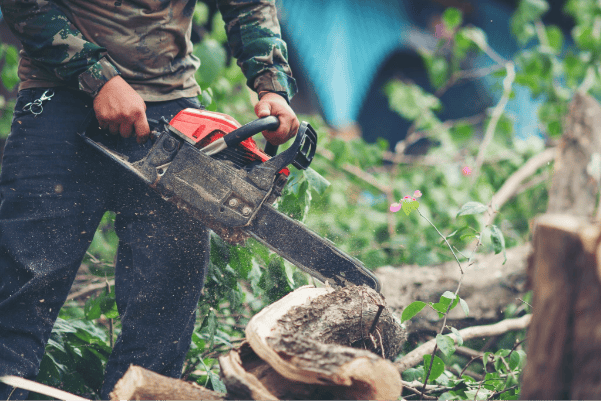
Before any foundation is poured or grading equipment arrives on site, one of the most valuable steps in a construction project is dealing with the trees already on the property the right way. Builders and homeowners often ask the same question before breaking ground: does tree removal increase property value? When it is handled by experienced professionals, the answer is yes. Strategic, well-planned tree removal clears the way for a smoother build, a safer site, and a finished landscape that adds value from day one.
Experienced tree relocation specialists prepare properties for construction while protecting the trees and land that make a property valuable in the first place, giving builders and homeowners the best of both worlds: a clear, buildable site and a landscape that keeps its established charm.
Why Tree Removal Matters Before Construction Begins
Trees positioned in the wrong place can interfere with grading, foundation work, utility installation, and equipment access. Removing or relocating trees before construction starts keeps a project on schedule and protects nearby structures once building is underway.
Handled correctly, pre-construction tree removal also protects the trees that should stay. Removing overcrowded or poorly placed trees gives the remaining landscape room to thrive, which supports curb appeal and long-term property value once the project is complete.
Does Tree Removal Increase Property Value?
Yes, professional tree removal can meaningfully increase property value when it is done strategically. Clearing overcrowded or poorly positioned trees before construction:
Improves site safety for crews and future occupants.
Opens up usable buildable space.
Protects foundations, driveways, and utility lines from future root interference.
Creates a cleaner canvas for landscaping once construction wraps up.
The best results come from evaluating each tree individually rather than clearing a site all at once. Many builders now choose professional tree relocation alongside removal, giving mature, valuable trees a second home elsewhere on the property instead of losing them entirely. Colorado Tree Spade specializes in exactly this kind of large tree relocation, helping developers preserve established landscaping while still clearing space for construction.
Land Clearing Benefits for Builders and Homeowners
Land clearing is more than removing trees. It is the first real step toward a buildable, sellable property. Key land clearing benefits include:
Easier Site Access
Clearing selected vegetation and trees gives excavation and grading equipment room to maneuver efficiently, keeping the project moving on schedule.
A Healthier Property
Clearing overgrown vegetation reduces pest pressure and supports better growing conditions for the trees and landscaping that remain.
Better Drainage Planning
Removing trees and roots that interfere with natural water flow allows contractors to design grading and drainage systems that support the property for years to come.
Improved Buildable Footprint
Clearing overcrowded trees and brush can reveal usable square footage that increases a property's development potential, which directly supports property value.
Site Preparation Tips Before Construction
Proper site preparation sets a project up for success, protects trees worth keeping, and supports a smooth build. A few site preparation tips worth following:
- Survey the property early to identify which trees should be removed, relocated, or protected.
- Mark protected trees clearly so crews and equipment operators can work around them confidently.
- Test soil conditions before grading to plan the best approach for drainage.
- Coordinate with utility companies to locate underground lines before any digging begins.
- Schedule tree removal or relocation during the ideal season to support the health of trees staying nearby.
Removing Trees Safely on a Construction Site
Removing trees safely protects workers, neighboring properties, and any trees or structures meant to stay standing. Safe removal practices include:
- Using experienced professionals with the right equipment for the tree's size and location, such as large tree moving equipment, including the 124" Bigger Digger, the largest tree transplanter in Colorado.
- Assessing root systems and structural stability before removal begins.
- Coordinating removal with the construction timeline to keep the site organized.
- Properly clearing stumps and root systems so grading and foundation work can proceed smoothly.
Grading Before Construction: What Trees Have to Do With It
Grading determines how water moves across a property, and trees play a bigger role in that process than most people realize. Before grading begins, it helps to:
- Remove or relocate trees within the grading path.
- Address any root systems that could affect settling once grading is complete.
- Confirm that remaining trees support, rather than interfere with, the planned drainage design.
Property Development Prep: Balancing Removal and Preservation
Smart property development prep is not about removing every tree on site. It is about deciding which trees add value and relocating the ones that stand in the way of construction. Mature trees that survive the build often become key selling points, offering shade, privacy, and an established look that new landscaping cannot replicate for years.
Colorado Tree Spade helps builders and homeowners strike that balance by evaluating each tree individually. As one of the largest tree relocation companies in the nation, Colorado Tree Spade regularly relocates trees slated for removal elsewhere on the same property, preserving their value while still clearing space for construction. Property owners with a tree they no longer want in one location can also browse the trees available page to see how relocation keeps valuable trees in use rather than lost altogether.
Protecting the Trees That Should Stay
Not every tree on a construction site needs to come down. Trees that are healthy, well-placed, and structurally sound often add the most value left standing. Protecting these trees during construction is straightforward with the right plan in place, including clear boundaries, careful equipment routing, and monitoring throughout the build.
The guide on how to protect existing trees during construction projects covers practical steps for keeping valuable trees safe and thriving while work is underway.
Permits and Regulations to Consider
Many municipalities have guidelines around removing trees above a certain size or species, particularly on properties slated for development. Confirming local requirements early keeps a project moving smoothly from day one. The article on tree relocation permits and regulations breaks down what most construction sites need to know before mobilizing equipment.
Conclusion
Does tree removal increase property value? When it is planned strategically and carried out by experienced professionals, absolutely. Clearing selected trees improves site safety, supports better grading and drainage, and opens up buildable space, while relocating the mature, valuable trees on site preserves the character and worth of the finished property. This combined approach is why so many builders trust Colorado Tree Spade for both removal and relocation on the same job site.
Colorado Tree Spade helps builders and homeowners evaluate every tree on a property before construction begins, offering safe removal alongside large tree relocation services that preserve value instead of losing it. To learn more about how tree transplanting supports long-term landscaping value, take a look at the article on how tree transplanting adds value to landscaping projects.
If you are preparing a property for construction and want expert guidance on which trees to remove, relocate, or protect, visit the Contact Us page to schedule a site evaluation.
Frequently Asked Questions
1. Does tree removal increase property value?
Yes. When hazardous, overcrowded, or poorly placed trees are removed by professionals, the result is a safer, more attractive property with a stronger buildable footprint, which supports overall value.
2. What is the best way to prepare a property with mature trees for construction?
The best approach is a professional evaluation of every tree on site, so valuable, healthy trees can be relocated and preserved while only the trees standing in the way of construction are cleared.
3. Is it cost-effective to relocate a tree instead of removing it?
In many cases, yes. Relocation is often comparable to or more cost-effective than full removal, especially for larger trees, and it lets property owners keep the value that mature trees bring to a landscape.
4. How does land clearing support grading and drainage?
Clearing trees and roots along the grading path allows contractors to design a stable, well-draining site that holds up beautifully for years after construction is finished.
5. Who should handle tree removal and relocation on a construction site?
An experienced, well-equipped team like Colorado Tree Spade, which specializes in relocating trees up to 40 feet tall using industry-leading equipment, is the ideal partner for protecting a project's timeline, safety, and long-term property value.